


The Ultimate Guide to Starting an Arcade Games Business
31 August 2026
5 Min Read
Starting an arcade games business is one of the more reliable ways to enter the entertainment industry, even with so much gaming happening on phones and consoles at home. People still enjoy stepping out for a shared, hands-on experience that they cannot get from a screen at home. This guide walks you through the full process, from concept to marketing, covering location, business planning, equipment, and how to bring in customers once you are open.
Is Starting an Arcade Games Business Worth It?
If you are evaluating whether an arcade games business is a sound investment, the short answer is: yes, for the right owner in the right location. The out-of-home entertainment sector has shown steady growth over recent years, with arcades and family entertainment venues continuing to attract repeat visits from families and groups of friends. This means that demand has not disappeared with the rise of home gaming. In fact, many venues report that visitors treat arcade trips as a social occasion rather than just a way to play games.
Compared with other entertainment formats, arcades typically require a smaller footprint. An arcade, however, can usually work in a modest retail unit or as a section within a larger mall. This lower barrier to entry makes it an appealing option for first-time entertainment business owners. Of course, a smaller footprint does not mean a smaller amount of planning is required.
How to Start an Arcade Business?
Learning how to start an arcade business comes down to a handful of core decisions, made in the right order. Get the early steps right and the later ones, such as marketing, become much easier.
Choosing Your Arcade Business Ideas & Concept
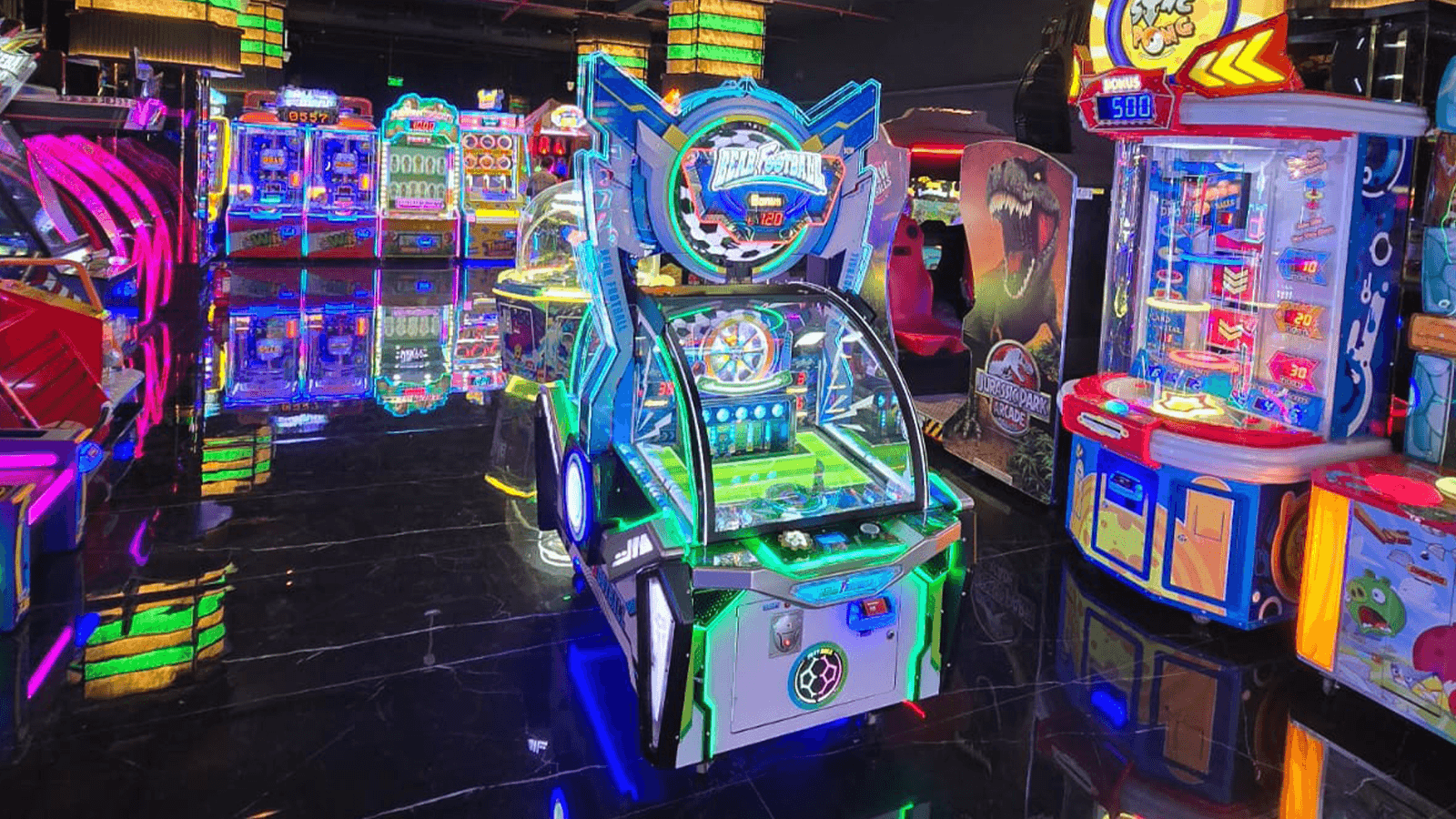
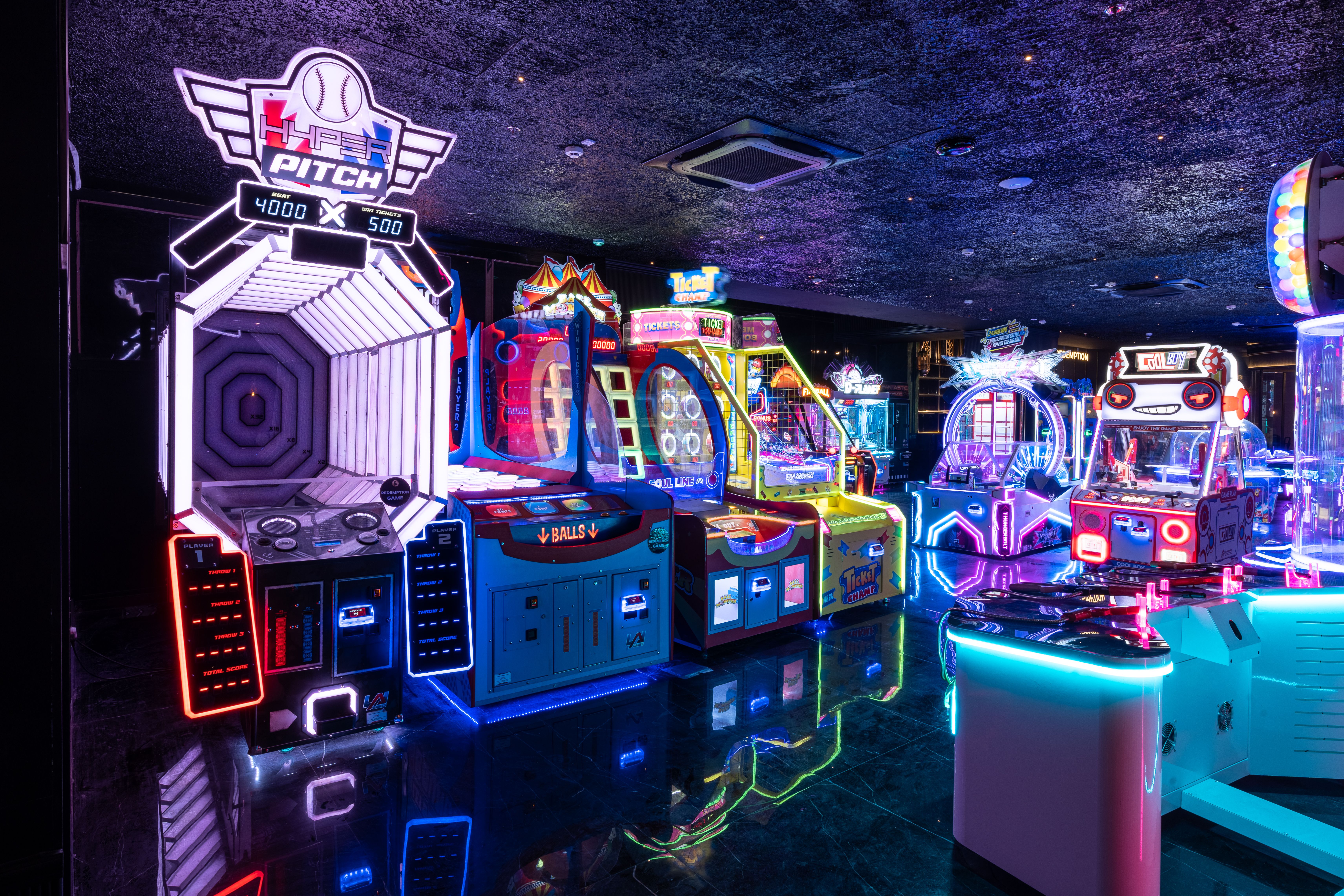
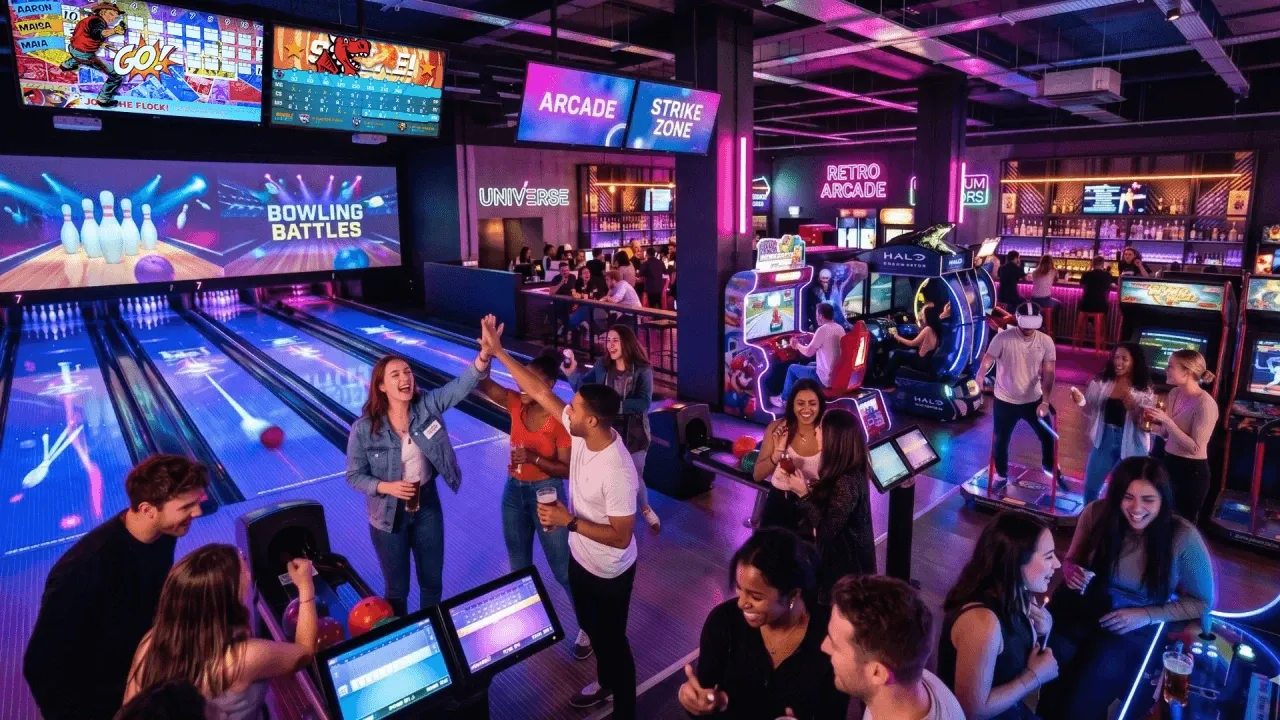
There are several arcade business ideas worth considering before you commit to a direction. A retro arcade leans on nostalgia and classic cabinets. A redemption-focused arcade centres on ticket games and prize counters, which tends to appeal to families with children. A VR-hybrid model blends traditional games with virtual reality stations, usually drawing a slightly older crowd. You will also need to decide whether your venue is aimed mainly at families, or at teenagers and adults, as this shapes almost every decision that follows.
Selecting the Right Location & Footfall
Location has a direct impact on footfall, which is the number of people passing your venue each day. A mall location typically offers the highest footfall, since shoppers are already there. A standalone unit gives you more control over branding but requires you to generate your own footfall through marketing. Integrating within an existing family entertainment centre (FEC) is another option, letting you share footfall with complementary attractions. Whichever route you choose, check parking availability and visibility from the main walkway.
Licensing & Budget Basics
Before opening, you will usually need a local entertainment licence, and in some cases a separate gaming machine permit, depending on the machines you plan to install. It is advisable to check requirements with your local council early, as approval can take several weeks. On the budget side, your capital expenditure (CAPEX) typically falls into three categories: equipment, fit-out (flooring, lighting, signage), and working capital to cover the first few months of trading.
Building a Solid Arcade Games Business Plan
A clear arcade games business plan gives you a working document to guide decisions and, if needed, to show to lenders or investors. It should cover revenue projections, staffing, and a realistic break-even timeline.
Revenue projections are usually built per machine. Earnings can vary significantly depending on factors such as machine type, location, customer footfall, pricing, and overall demand. This means that your total projected revenue is really a sum of individual machine performance, not a single flat estimate. It is important to keep in mind that not every machine will perform equally, so plan for a mix of high and moderate earners.
Staffing needs depend on venue size. A small arcade of 15–20 machines can often run with two staff members per shift, covering the counter and prize redemption. The time it takes to earn back your setup costs can differ, but many small to mid-sized arcades aim to break even within 12 to 18 months of opening.
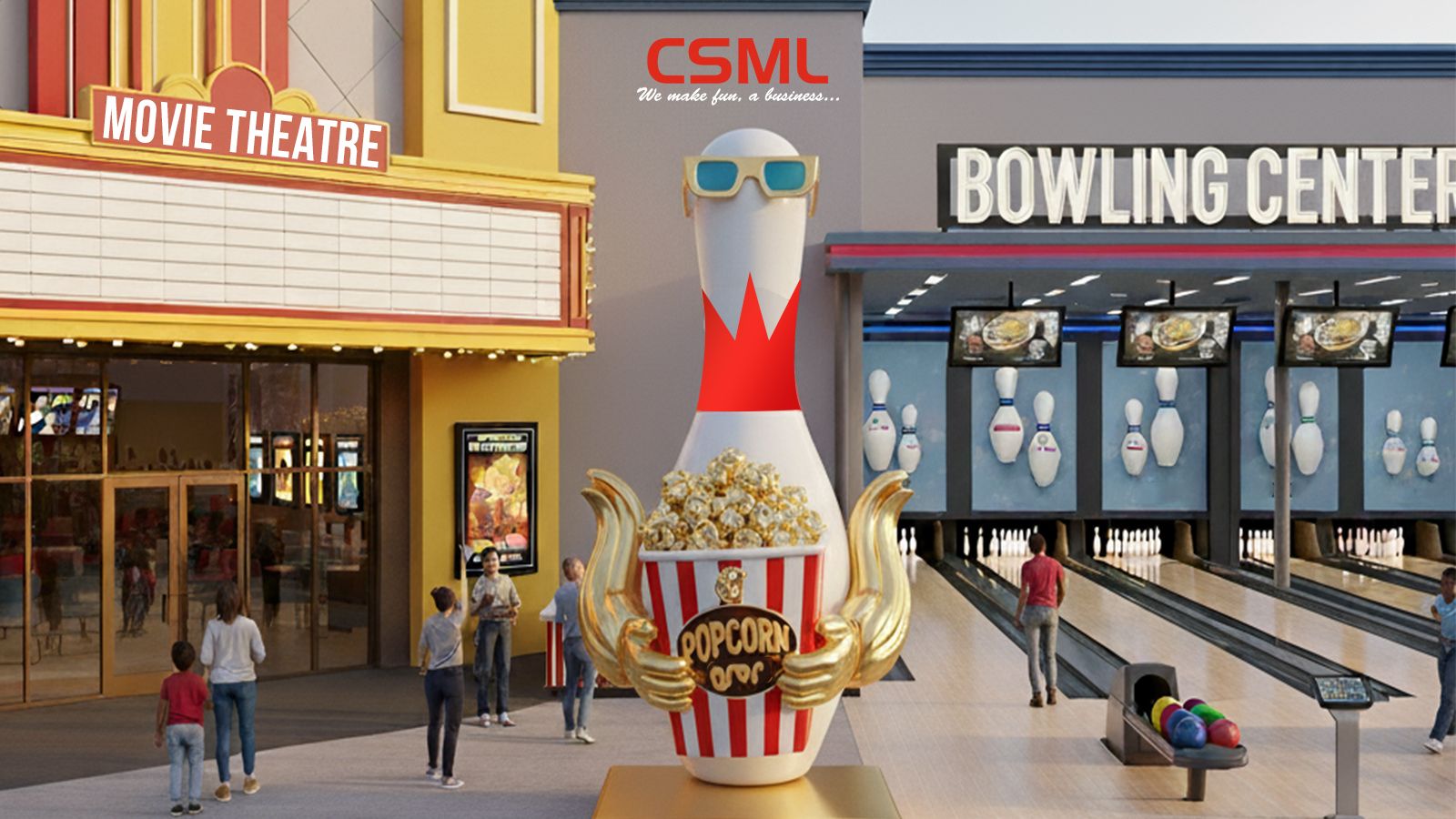
If you are considering a model with more than arcade games alone, such as combining arcade zones with soft play or party rooms, it is worth looking into family entertainment center solutions, which can guide you through planning a multi-attraction venue rather than an arcade-only one.
Choosing the Right Arcade Equipment
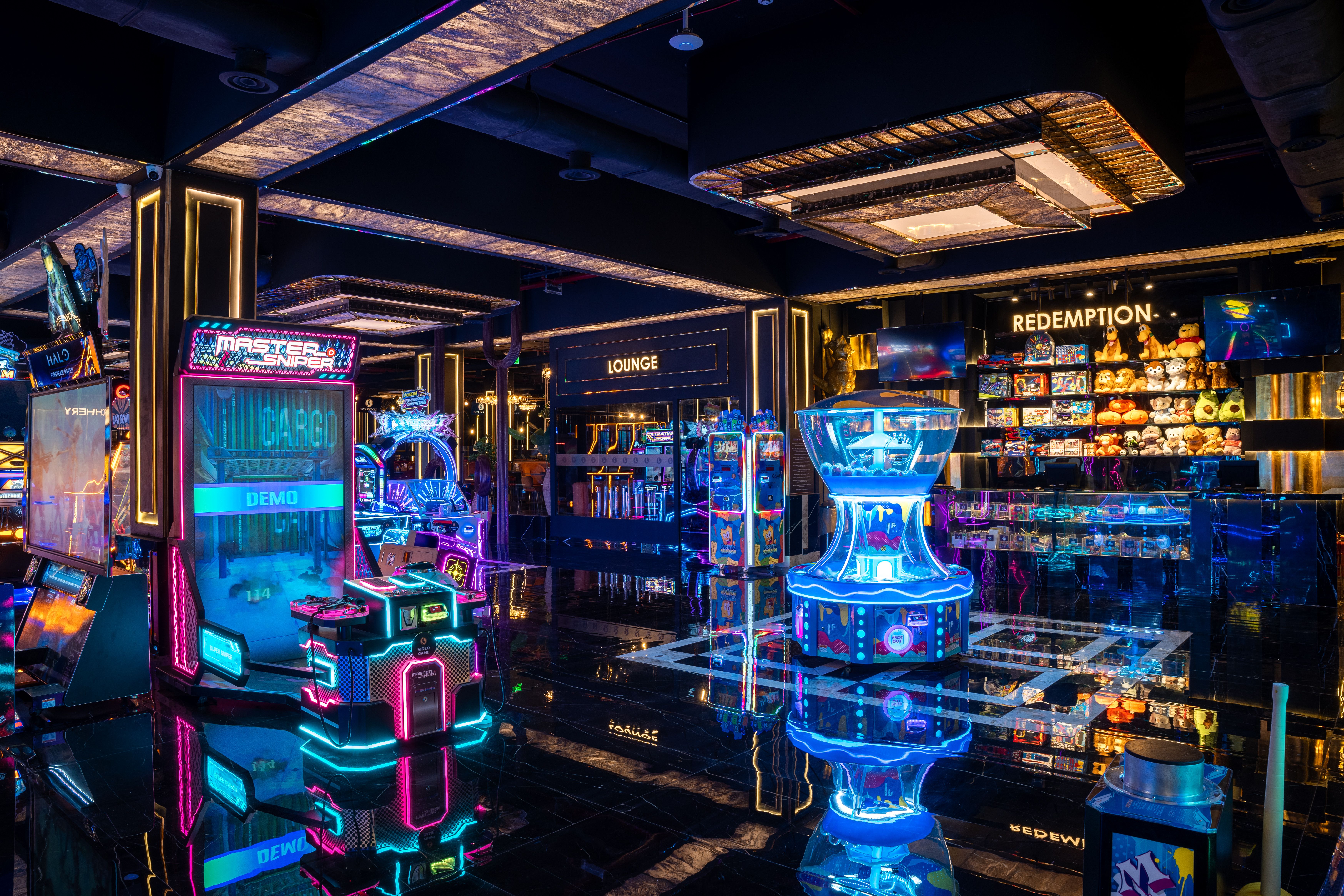
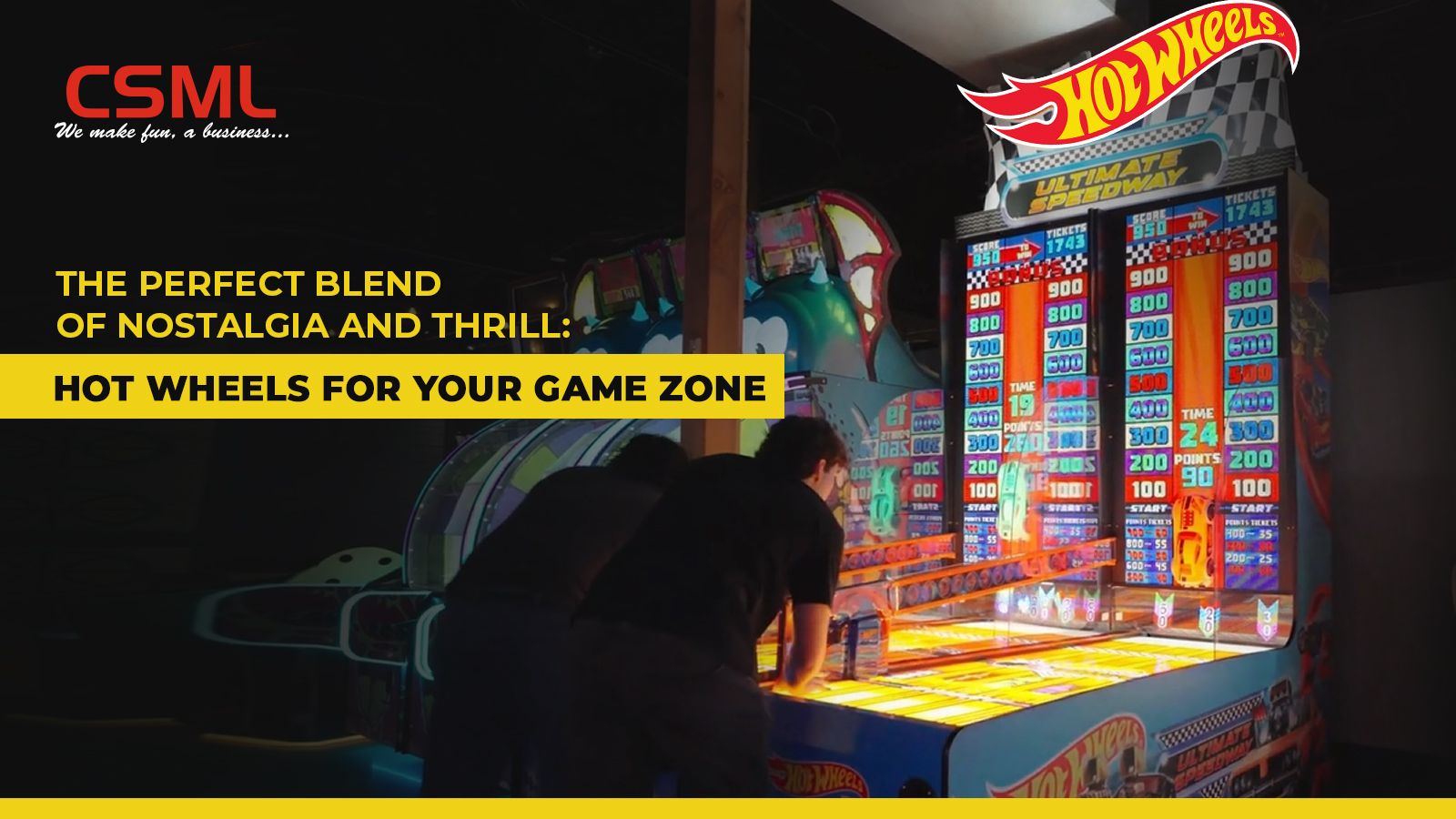
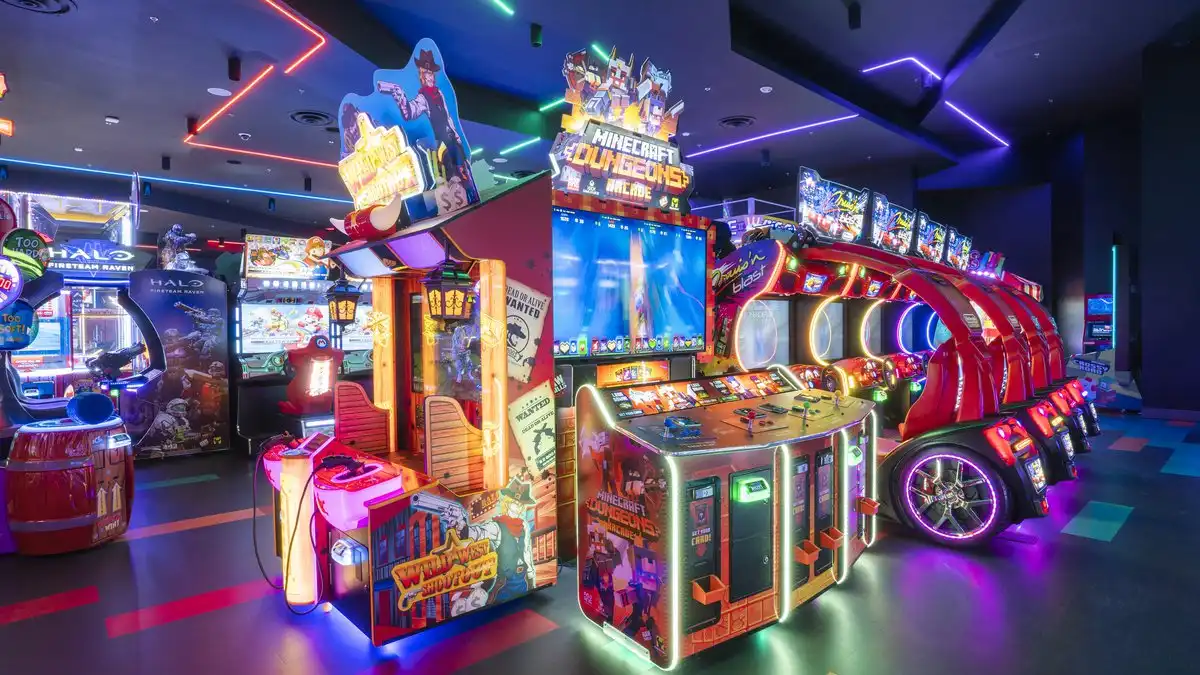
The arcade equipment you select has a direct effect on both your CAPEX and your ongoing revenue. Equipment typically falls into five categories: redemption or ticket games, VR and simulators, classic cabinets, claw machines, and prize counters. Each category appeals to a slightly different visitor, so a balanced mix tends to perform better than relying on one type alone.
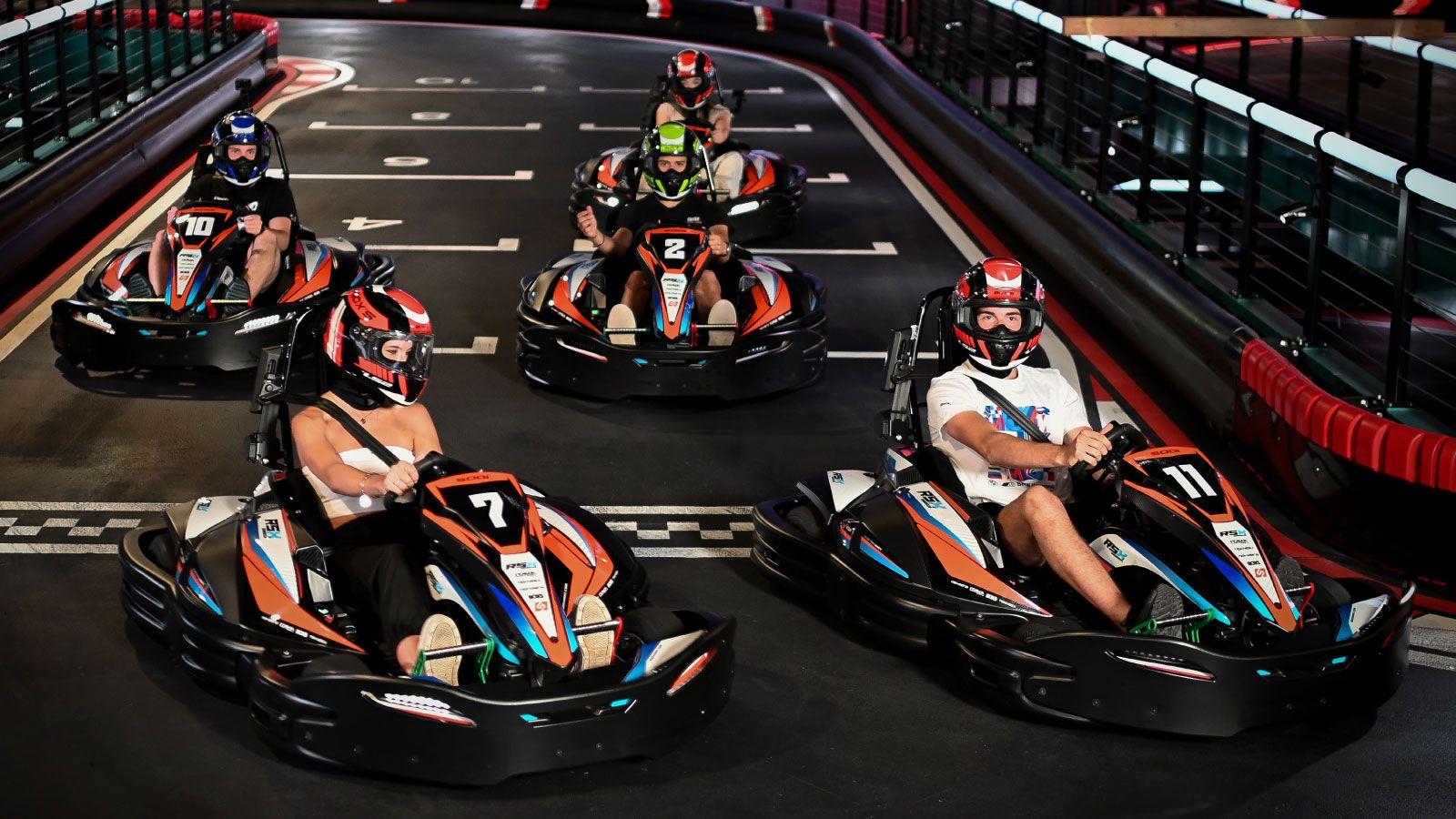
For example, redemption games with ticket payouts are popular with children aged 5–12, whilst classic cabinets and racing simulators tend to draw teenagers and adults. This means that your equipment mix should reflect your target age group, decided earlier in your concept stage. If you are working with a limited budget, it is advisable to start with a smaller number of reliable, popular machines rather than a large number of untested ones.
When sourcing machines, working with an established Arcade Games supplier in India can help you access a wider range of equipment, along with guidance on which machines suit your space and budget. You are not required to buy every category at launch; many owners add VR or simulator equipment once the venue is established and cash flow allows.
Marketing & Growing Your Arcade Zone
Once your arcade is open, ongoing marketing keeps footfall steady. A loyalty or rewards card, where visitors earn points or credits for repeat visits, encourages people to return rather than treating the arcade as a one-off outing. Birthday party packages are another reliable revenue stream, particularly for family-focused venues, as they bring in group bookings rather than single visitors.
Corporate and school group bookings can fill quieter weekday slots, which otherwise generate little revenue. Social media engagement, such as sharing weekly leaderboard results or prize-winner photos, helps keep your venue visible between visits. If you need support with sourcing additional equipment or planning your next expansion, CSML Group offers setup guidance alongside equipment supply.
Frequently Asked Questions
What are the best arcade games for a new business?
There is no single "best" game, as this depends on your target audience. For a family-focused venue, redemption games and claw machines usually perform well. For a teen or adult-focused venue, racing simulators and VR stations tend to draw more repeat visits.
How much space is needed to open an arcade?
A small arcade can usually operate in 800–1,200 square feet, whilst a larger, multi-category venue may need 2,000 square feet or more. The exact figure depends on how many machines you plan to install and how much walking space you leave between them.
What should be included in an arcade business plan?
Your arcade games business plan should include revenue projections per machine, staffing costs, a break-even timeline, licensing requirements, and your equipment budget. It is always recommended to keep some extra money aside for unexpected costs.
How do I choose the right location for an arcade?
Look at footfall first, then parking and visibility. A mall location typically offers higher footfall but higher rent, whilst a standalone unit gives you more control but requires more of your own marketing to bring people in.
How can I attract more customers to my arcade?
Loyalty programmes, birthday party packages, and group bookings from schools or companies are usually the most reliable ways to build repeat business. Social media content, such as leaderboard updates, can also help keep your venue visible between visits.